

Renewables shield Spanish consumers from elevated gas prices
Spanish consumers are being shielded from the latest fossil fuel crisis thanks to the weaker influence of gas on electricity prices.
Available in: Español
16 Jun 2026
26 Minutes Read

As Europe is hit by its second gas price shock in five years, Spain demonstrates the ability of renewable energy to shield against volatile costs.
Spain has pursued a strategic expansion of renewable energy since before the gas crisis of 2021-2024, and reinforced this approach following the Iberian blackout of April 2025. This strategy is proving its worth as Spanish consumers continue to benefit from low-cost electricity despite elevated gas prices. Building on this, Spain’s response to the 2026 energy crisis recognises the importance of electrification to drive deeper reductions in fossil import dependency.

- Electricity market prices in Spain remain among Europe’s lowest despite elevated gas prices since March 2026. Strong growth of renewables in the Iberian power system has significantly weakened the link between gas and electricity prices since the gas crisis of 2021-2024. This has effectively shielded Spanish electricity prices from the gas price spike following the US-Israel war with Iran. In each of the first four months of 2026, Spain and Portugal ranked among the lowest three countries for (day-ahead) electricity prices in the EU. In more gas-dependent Italy, power prices averaged €143/MWh in March, three times higher than in Spain (€42/MWh).
- Spanish billpayers are avoiding costs of €10 per month thanks to shielding of electricity prices. If electricity prices were still linked to gas prices as strongly as in 2021, a typical household on the regulated tariff would be paying €10 (or 19%) more per month in electricity bills due to elevated gas prices since March 2026.
- Renewables growth has sustained momentum since the Iberian blackout of April 2025, and battery storage in Spain is rapidly rising. Since the Iberian blackout, monthly additions of wind and solar in Spain have averaged 1.3 GW per month, similar to the 1.2 GW average in the year before. Spain has enacted reforms to unlock battery storage, which is set to quadruple in 2026. This surge in storage, plus other grid resilience measures enacted since the blackout of April 2025, should expedite the end of the costly ‘reinforced mode’ of grid operation.
- Spain’s energy crisis response targets a boost in electrification, reducing fossil import dependency beyond the electricity sector. By blending immediate relief with incentives to electrify, Spain’s energy crisis package shows that protecting consumers and accelerating the energy transition are not mutually exclusive. Temporary cuts to electricity taxes removed €8 from the typical monthly electricity bill. This, combined with low (and shielded) electricity market costs, caused regulated consumer prices to fall significantly in April 2026, to among their lowest levels since before the gas crisis of 2021-2024.
Spain’s long-term, ambitious push on wind and solar is paying dividends, shielding consumers from volatile fossil fuel prices. Reforms introduced following the April blackout have sustained the energy transition, strengthening the shielding of power prices. Electrifying end-use sectors, such as transport and industry, represents the next big opportunity to protect the wider Spanish economy from future price shocks.
Spanish consumers shielded from rising gas prices
Spanish electricity prices are far less influenced by gas than they were when the previous gas crisis hit Europe in 2021. This decoupling, thanks to the expansion of renewable energy, is shielding Spanish consumers from the current energy shock.
Following the outbreak of the US-Israel war with Iran, European gas prices suddenly climbed by around 75% – the most significant gas price shock since Russia’s attack on Ukraine. At the beginning of June, gas prices remained roughly 60% above their pre-war levels. The extent to which these higher gas prices are translating into higher electricity prices depends on how frequently gas power sets prices in electricity markets, which varies across countries.
The Iberian electricity market is less influenced by gas than in 2021
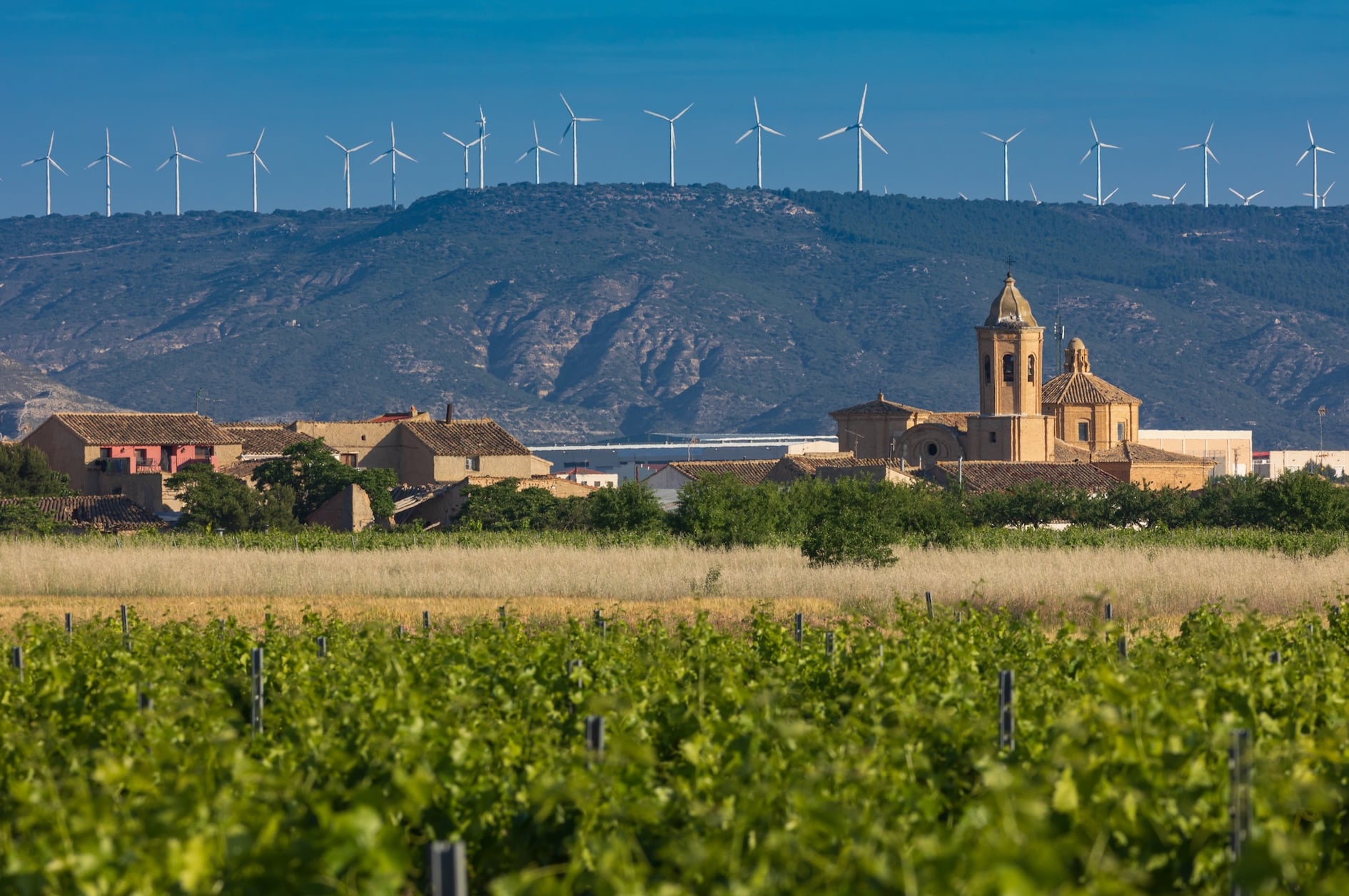
The link between gas and electricity prices in Iberian (day-ahead) power markets has significantly weakened since the previous gas crisis. In 2021, gas influenced power prices in an estimated 52% of hours in Spain. In the first five months of 2026, gas influence was only 9% of hours. This decoupling is mainly thanks to strong growth in wind and solar generation, which increased by 37% between 2021 and 2025.
Spain was more vulnerable to fossil price shocks in 2021, meaning when gas prices began to surge, power prices in Spain – like most European markets – increased in tandem. Through the first half of 2021, both European gas prices and Spanish electricity prices climbed by around 50%. In contrast, in 2026, prices in the Iberian electricity market have remained largely unaffected by higher gas prices, with the impact only visible through higher price peaks at times when large amounts of gas generation are required.
Climbing electricity prices in 2021 also translated quickly from wholesale costs to Spanish consumer bills. Between July 2021 and January 2022, the typical Spanish monthly bill increased from €57 to €80. This is despite the Government temporarily cutting electricity taxes to mitigate the impact of rising electricity market prices. However, through a combination of legislation starting in 2018, and its National Energy and Climate Plans of 2019 and 2024, Spain set a clear course towards renewable energy, which is now paying dividends.
Electricity in the Iberian Peninsula remains among Europe’s cheapest in 2026
Thanks to the diminished influence of gas and an abundance of renewable energy, the Iberian electricity market is now consistently among Europe’s cheapest. In each of the first four months of 2026, Spain and Portugal have ranked in the lowest three countries for power prices in the EU (day-ahead). This is in contrast to 2021, when the Spanish electricity market was tenth most expensive in the EU.
Countries with a structurally higher dependence on gas, such as Italy, are frequently among Europe’s most expensive. In the first five months of 2026, gas influenced Italian electricity prices in an estimated 75% of hours, compared to 9% in Spain. Power prices in Italy averaged €143/MWh in March, three times higher than in Spain.
The 2026 energy crisis has further emphasised this gap between expensive gas-reliant markets and the cheaper markets that have decoupled from gas. This trend is most apparent in electricity futures prices, which are less volatile than the day-ahead market. Upon the outbreak of war, year-ahead electricity prices in Italy rose by around 25%, whereas prices in Spain remained largely unchanged.
Typical Spanish household saving €10 per month amid high gas prices
The decoupling of Spain’s gas and electricity prices means that Spanish consumers are not hit twice by high gas prices, through both their gas and power bills. At the elevated gas prices since March 2026, we estimate the monthly electricity bill for a typical Spanish household (2.0TD tariff for consumption less than 15 kW) would be €10 or 19% higher if electricity market prices were still linked to gas as strongly as in 2021.
The shielding of the Iberian electricity market from gas price rises has a significant influence on Spanish electricity bills. Around 20-30% of the typical household electricity bill is related to variable costs in wholesale electricity markets, such as the day-ahead market, and longer-term markets such as monthly, quarterly and year-ahead. The rest of the bill is made up of cost in other (ancillary) energy markets, as well as fixed regulated charges and taxes.
The biggest element of the estimated €10 monthly saving is from avoided costs in these wholesale electricity markets, which would have been significantly higher in March and April were they still linked to gas as strongly as in 2021. In March for example, the bill component in the regulated tariff which is linked to daily electricity markets averaged €50/MWh. However, under a 2021-like scenario of higher gas influence, it would have averaged an estimated €122/MWh. Prices in longer-term markets also affect Spanish electricity bills, and the costs too would have been higher under market conditions more like 2021 (see methodology). Across March and April, we estimate the avoided wholesale cost on the typical bill amounted to an average of €15.
The cost impact of electricity market shielding outweighs an increase in grid balancing costs
The avoided wholesale market costs of €15 per month are partially offset by a rise in balancing costs, which are estimated to add €6, compared to a scenario with higher gas generation in the system (i.e., as in 2021). Hence, the net shielding of bills in March and April 2026 amounts to €10 (after tax).
The cost of balancing is set by ancillary markets, which have accounted for around 10-15% of the typical monthly electricity bill in 2026, around half the contribution from wholesale electricity markets. These costs have risen considerably since 2021, linked to the rise in renewable generation, which has outpaced both grid investment and regulatory change. Between 2021 and 2025, renewables curtailment rose from 0.1 TWh to 4.6 TWh and the annual cost of grid balancing rose from €1.3 billion to €3.8 billion (according to data by Red Electrica).
For both physical and regulatory reasons, the Spanish grid has relied heavily upon conventional power plants for grid balancing services, particularly gas. Therefore, just as renewable growth has reduced the role of gas in wholesale electricity markets, its role in ancillary markets has increased. Adding to this trend is the ‘reinforced operating model’ implemented since the Iberian blackout of April 2025, which has further increased reliance on gas power plants for grid stability, adding up to €3 per month to the typical bill. Despite reforms to improve grid resilience in Spain, the end of this scheme is not yet scheduled.
Crisis reforms strengthen Spain’s shield against fossil price spikes
Spain’s policy responses to both the blackout and the 2026 fossil fuel crisis provide a model for other European countries, as they further shield electricity prices while tackling fossil fuel dependency more widely through electrification.
Following the blackout of 28 April 2025, the Spanish government enacted various reforms to improve grid management and further integrate renewable energy. Far from slowing the transition in response to the blackout, the Spanish government has re-committed to renewables, taking crucial steps to improve their integration.
Enabling renewables for grid stabilisation is set to expose gas power plants to increased competition
While wholesale electricity prices have largely decoupled from gas prices in Spain, electricity bills are still influenced by gas prices due to the reliance on gas power plants for grid services. Following the Iberian blackout, grid operating procedures were quickly changed, mandating renewable power plants to provide dynamic voltage control – a service formerly provided exclusively by conventional power plants. The impact of these rule changes is already coming into view: as of May 2026, 6 GW of renewables were already providing voltage control services.
The same regulatory update also promised improved approaches to grid congestion management and renewable energy curtailment. The benefit to bill payers of these technical changes could be two-fold: limiting the volume of adjustments required, while also decoupling their price from the volatile price of gas.
Regulatory updates maintain momentum in renewables and battery expansion
In November 2025, the Spanish government introduced a further package of emergency measures aimed at improving the resilience of the power system. Among these measures were planning changes to streamline the process of adding battery storage to existing renewable facilities, building on a previously announced capex support scheme for energy storage. By boosting renewables and their integration, these storage developments should further reduce the role of gas in Spain’s power system and its influence on prices. By building system resilience, these reforms could bring further relief to billpayers by removing the need for the costly ‘reinforced mode’ of grid operation, in effect since the blackout.
These policy packages will add to the strong momentum of renewable energy expansion in the Iberian system, which has not slowed following the blackout. Between May 2025 and February 2026, Spain added an average of 1.3 GW of combined wind and solar capacity per month, slightly more than the 1.2 GW average in the twelve months preceding the blackout. It is too early to see the impact of regulatory changes on battery storage, but they will add to growing momentum in the Iberian market. The installed capacity of large batteries in Spain quadrupled in 2025, albeit from a small base, and the same is expected in 2026.
Cuts to electricity taxes promote structural shielding with electrification
Spain’s policy response to the 2026 energy crisis achieves the dual goal of short-term cost relief, while encouraging investment in longer-term solutions to shield consumers from fossil price spikes. The Spanish government, like others in Europe, has cut fuel taxes to offset oil price rises. However, Spain has gone further to also cut taxes on electricity and electric vehicles. These types of tax cuts are essential to encourage electrification – the single most important lever for reducing fossil import reliance. Despite progress in the power sector, import reliance still stands at 71% in Spain, more than the EU’s overall dependency of 57% (imported fossil fuels as a share of primary energy). Action on this is urgently needed to improve energy security.
Spain’s temporary tax cuts, which ended on 1 June 2026, meaningfully reduced the consumer price of electricity, demonstrating the crucial role of tax policy in promoting electrification. VAT on electricity was cut from 21% to 10%, the special ‘electricity tax’ cut from 5.1% to 0.5% and the tax on electricity generators was suspended. The first two of these alone removed €8 per month from the typical household bill, and up to €20 per month for a large household or business. When combined with low wholesale prices, this reduced household electricity prices (on the regulated tariff) in April 2026 to among their lowest levels since before the gas crisis of 2021-2024, and below most other EU countries.
As geopolitics becomes increasingly unsettled, Europe should expect that this energy crisis will not be the last. European countries have the opportunity to shield themselves from future shocks using renewable electricity, while extending that benefit throughout their economies with electrification. Spain emerged from multiple crises with this mindset, pushing for structural solutions that are already protecting consumers and will continue to pay dividends.
Supporting materials
Download
Download the full report
Methodology
Avoided monthly bill cost estimate. The monthly bill savings were estimated by taking the difference between two alternative scenarios. The first bill scenario corresponds to actual consumer costs in March and April 2026. The second (counterfactual) bill was a modification of the actual bill to estimate its level if Spain’s electricity markets had remained as influenced by gas as they were in 2021. The modifications consisted of estimating an alternative energy component of the bill (see below), then applying a new tax calculation.
The typical monthly household electricity bill structure was assembled for a household consuming 250 kWh per month on the regulated PVPC tariff. Approximately one third of Spanish residential consumers are estimated to subscribe to this variable regulated tariff, with the remainder on private contracts, either fixed or variable. The savings estimates calculated here do not apply to consumers on fixed-price tariffs, nor private variable tariffs. However, while private variable tariffs are highly diverse, their price movements are linked to electricity markets, as with the regulated PVPC tariff. Taking the example of March, the total typical monthly bill amounted to an estimated €60.22 at a rate of c€24.09 per kWh including all taxes. The breakdown of the bill is as follows: Power term (Término de potencia) – €12.93, for an assumed 4.6kW connection, Energy term (Término de energía) – €35.18, Other (including the social bonus and meter rental fee) – €1.59, Electricity tax (Impuesto Eléctrico) – €1.73, and VAT – €8.79. Furthermore the Energy term consisted of the Cost of energy (Coste de la energía) – €26.47, and Network access tolls and charges ‘Peaje de acceso y cargos’ – €8.71. This division of the Energy term is based on a typical consumption pattern across the three billing periods, verified using the ESIOS energy term calculator (25% Punta, 30% Llano, and 45% Valle).
Calculating the counterfactual energy component of the bill. The counterfactual calculation concerned only the ‘Cost of energy’ (Coste de la energía) bill component, plus the implications of these changes for the tax calculation. The formula for calculating the hourly ‘Cost of energy’ component of the regulated PVPC tariff is defined by Spanish law in Royal Decree 446/2023. It includes prices in both daily and futures electricity markets, as well as system balancing costs and various policy costs. Two elements in this formula were manipulated to create the counterfactual bill: A) the cost of purchasing energy in electricity markets (including both daily and futures prices), and B) the costs of grid balancing and adjustments (‘Servicios de ajuste Península’).
A) Counterfactual electricity markets component. The hourly ‘Cost of energy’ component is linked to prices in daily markets (day-ahead and intraday) as well as a ‘basket’ of futures contracts, previously settled, for the month in question. The relative weights of the daily and futures prices are 45% and 55% respectively. The futures basket is defined as a blend of annual, quarterly, and monthly futures contracts, settled in advance of the current billing period, as is updated on a monthly basis. Introduced in 2024, it is designed to provide a ‘memory’ to the bill, dampening any sudden swings in the daily market.
In 2021/22, the daily electricity prices were strongly linked to the cost of gas-fired power (Short-Run Marginal Cost – SRMC). This relationship has been significantly weaker since 2024. To simulate hourly electricity prices in 2026, a linear model was created with two dependent variables: gas SRMC and residual load. The model was fitted using data between July 2021 and May 2022 (i.e., before the Iberian mechanism took effect).
Similar to daily electricity prices, electricity futures prices in Spain have historically been linked to gas futures prices for the same delivery period. The relationship between these two was also stronger before the 2021-2024 energy crisis than in 2025 and 2026. To estimate a counterfactual ‘futures basket’, it was necessary to estimate counterfactual settlement prices for the Cal-2026 contract (traded in 2025), the Q1-2026 contract (traded in Q4-2025), and the Q2-2026 contact (traded in Q1-2026). These contracts predominantly influenced the Spanish electricity bill in H1 2026. To simulate a counterfactual Cal-2026 price, a linear model was fitted based on the relationship between Cal-2022 prices and the year-ahead (TTF) gas prices traded in 2021. An identical approach was taken to estimate counterfactual Q1-2026 and Q2-2026 prices, based on settlement prices for the M3 gas (TTF) contract in the preceding quarters.
B) Counterfactual balancing and adjustments component. This term passes through the costs of ancillary markets, used to balance the grid and adjust generation to overcome grid constraints. It is dominated by the so-called technical restrictions markets, which act mainly to curtail renewable sources and dispatch gas power in their place. The counterfactual bill therefore assumes that volumes of gas generation procured through technical restrictions markets remained at 2021 levels (690 GWh per month on average), approximately three times lower than their 2026 levels (averaging 2100 GWh per month in March and April 2026). The cost of adjustment and balancing services was therefore reduced by a factor of three in the counterfactual bill scenario.
All analysis and modelling described above was based on detailed historic tariff data accessed through the ESIOS PVPC platform. The short-run marginal costs of gas generation was estimated using gas spot price data provided by Montel. Electricity and gas futures prices were also accessed via Montel.
Regulated network charges are assumed to be the same between the actual and counterfactual bill scenarios. The regulated grid fee has remained largely unchanged between 2021 and 2026, with increases only very recently announced to bolster the grid for the energy transition (and anticipated electrification). There is no clear evidence that grid (infrastructure) costs – unlike grid balancing costs – would be different in 2026 had the expansion of renewables since 2021 been slower.
Acknowledgements
The author would like to thank Frankie Mayo, Eva Mbengue, Lauren Orso, Ali Candlin, Leo Heberer for their contributions.
Photo credit: Fernando Rojano | iStock / Getty Images Plus
Related Content
Analysis
Shaping a resilient power system in ASEAN
23 July 2026
Analysis
Power on tap: EU hydro giants can add 25 GW renewables without new grids
21 July 2026
Analysis
From scale to system: navigating the next phase of China's battery storage
16 July 2026

Analysis
A quarter of EU power came from solar for the first time in June
14 July 2026